Foundations
Probe quantum mechanics
Interference, quantum measurement, higher-order interference, entanglement dynamics and tests of fundamental principles.
Explore: Quantum Fundamentals
The Quantum Information and Computing (QuIC) lab at the Raman Research Institute explores quantum science from fundamental tests of quantum mechanics to photonic quantum technologies and quantum networks. Our research spans quantum foundations, quantum communication, photonic quantum information processing, quantum sensing and quantum optics, with experiments ranging from single- and entangled-photon systems to free-space links, quantum memories and multi-node quantum networks.
A central theme across these activities is the control, measurement and connection of individual quantum systems.
Five directions a PhD at QuIC can take. Each links to the research behind it.
Interference, quantum measurement, higher-order interference, entanglement dynamics and tests of fundamental principles.
Single and entangled photons, interferometry, quantum control, higher-dimensional photonics and integrated devices.
Free-space quantum communication, quantum memories, hybrid platforms, entanglement distribution and repeater networks.
Qudits, high-dimensional encoding, photonic processing and new architectures for quantum information.
Quantum-enhanced measurement and emerging photonic sensing platforms.
Five broad frontiers that define the science at QuIC Lab.
We develop quantum communication protocols using single and entangled photon sources, including Quantum Key Distribution (QKD) systems over fibre and free-space links for provably secure communication.
Learn MoreWe revisit the foundational postulates of quantum mechanics through precise theoretical and experimental investigations — studying entanglement dynamics, the superposition principle, higher-order interference, and quantum measurements using single photons.
Learn MoreWe explore quantum-enhanced sensing techniques that exploit non-classical light and quantum correlations to achieve precision beyond classical limits, with applications ranging from metrology to field-deployable sensors.
Learn MoreWe use single photons and their degrees of freedom to investigate quantum computation, including the study of qudits and higher-dimensional quantum computing based on novel spatial degrees of freedom of a single photon.
Learn MoreOur lab specialises in the manufacture of single and entangled photons for fundamental quantum optics research — including Hanbury-Brown-Twiss interferometry, Hong-Ou-Mandel effect, and nested interferometry using Mach-Zehnder and Sagnac geometries.
Learn MoreOur group at Raman Research Institute is leading the Technology Group QuEPRAN (Quantum Entanglement-based Photonic Repeater Advanced Network) under the National Quantum Mission (NQM), Department of Science and Technology (DST), Government of India. As part of this initiative, the group is executing the project Multi-Node Quantum Repeater Network for Entanglement Distribution-Based Quantum Communication. The project is led by Prof. Urbasi Sinha as the Lead PI, in collaboration with Aditi Sen De (HRI Prayagraj), Arijit Sharma (IIT Tirupati), Raghavan Easwaran (IIT Patna), and Sandeep Goyal (IISER Mohali).
Learn MoreProf. Urbasi Sinha holds the Canada Excellence Research Chair in Photonic Quantum Science and Technologies at the University of Calgary.
Selected papers from 2026. View full publication list →
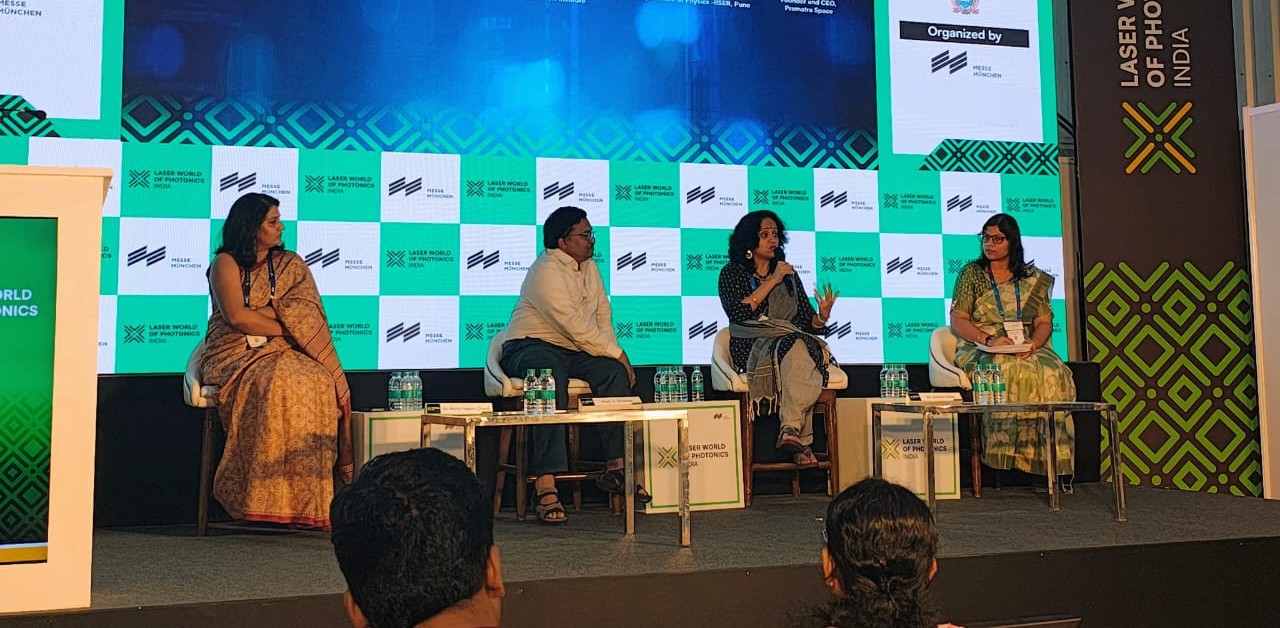
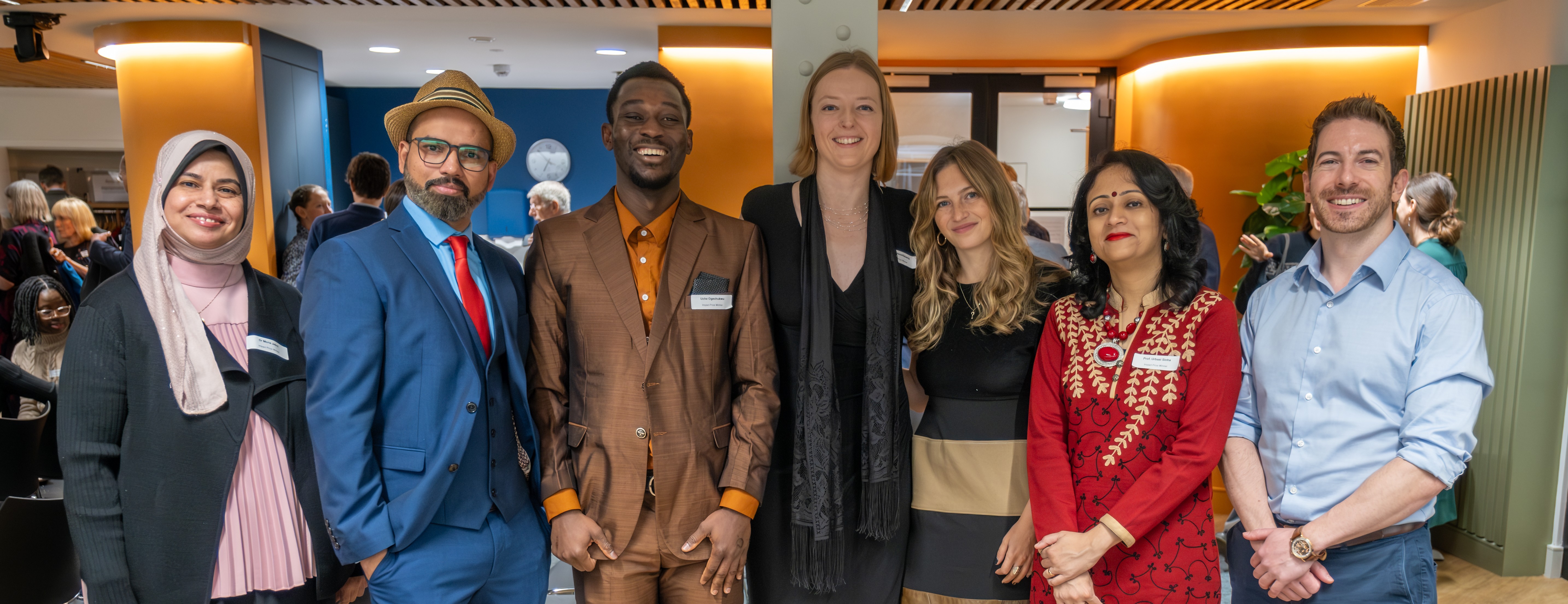
Moments from the lab, experiments, and outreach.
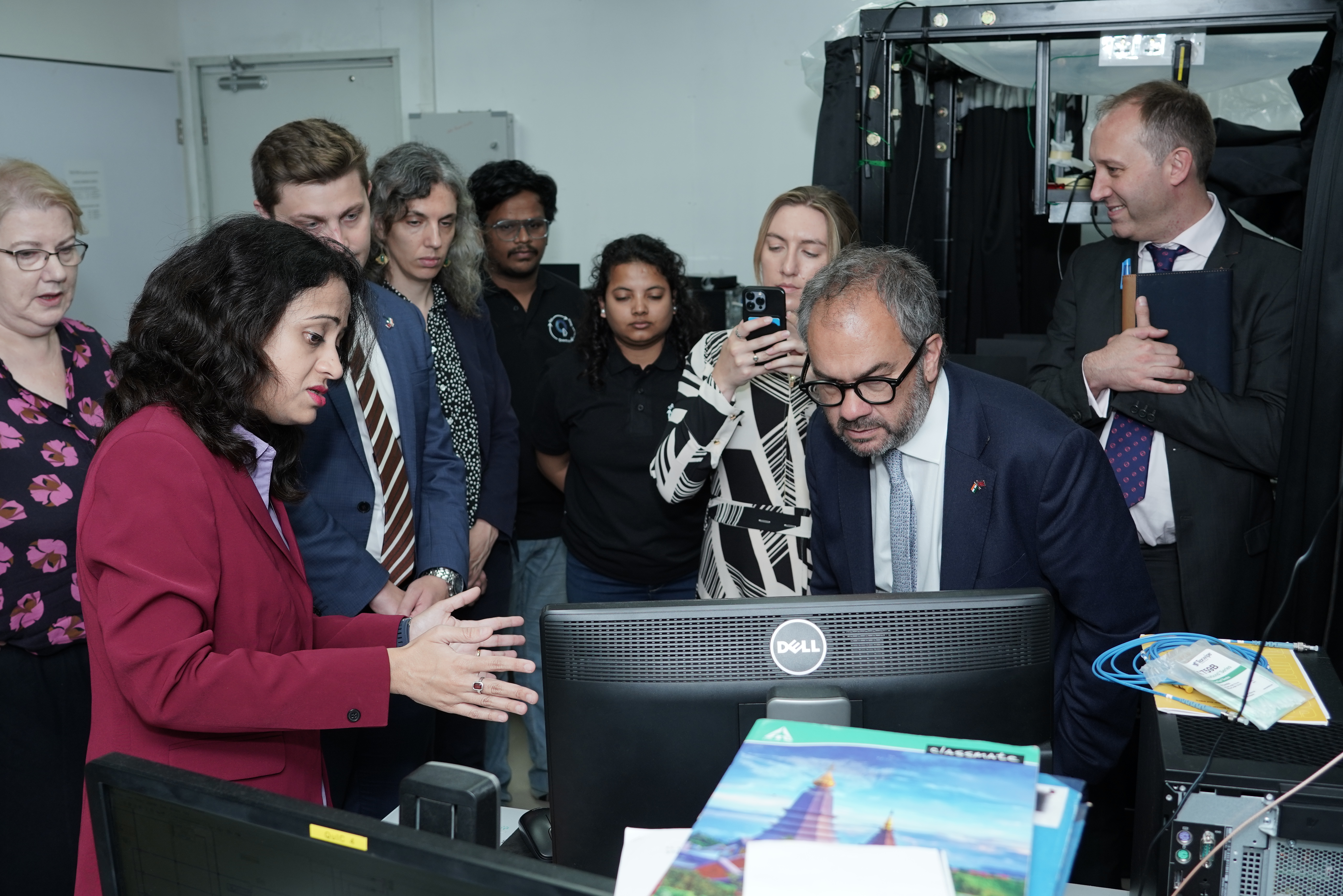
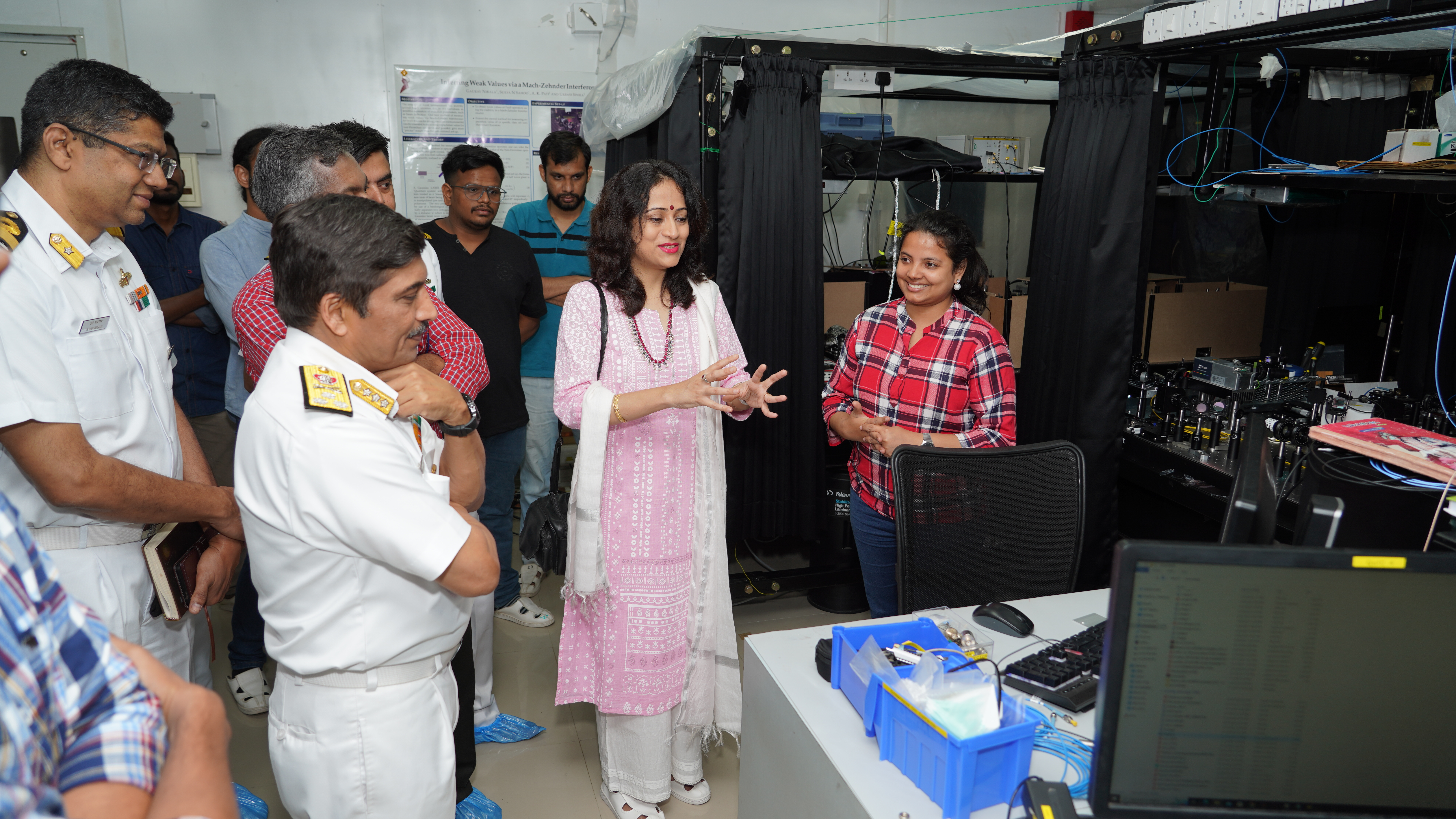
Raman Research Institute, Bangalore
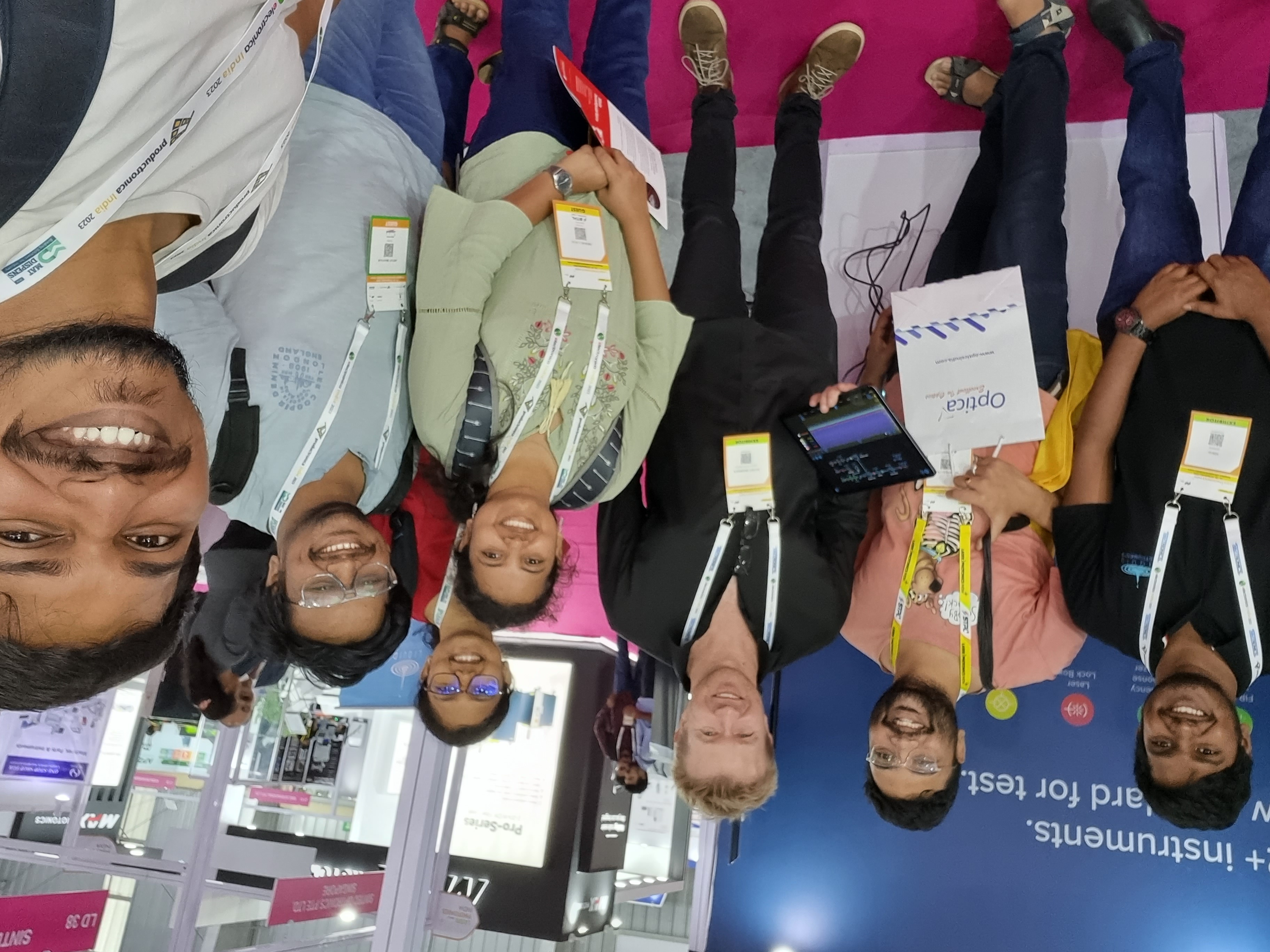
Raman Research Institute, Bangalore
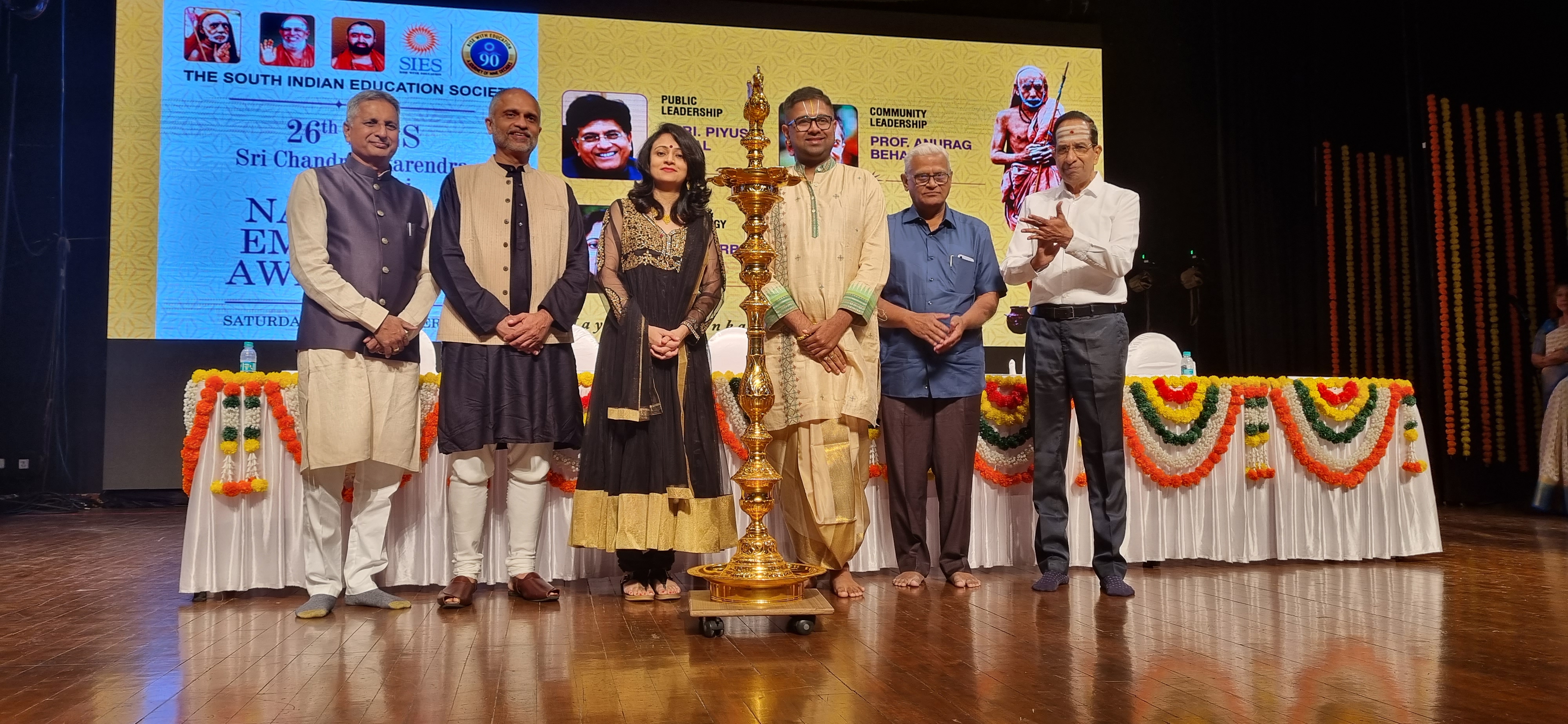
Raman Research Institute, Bangalore
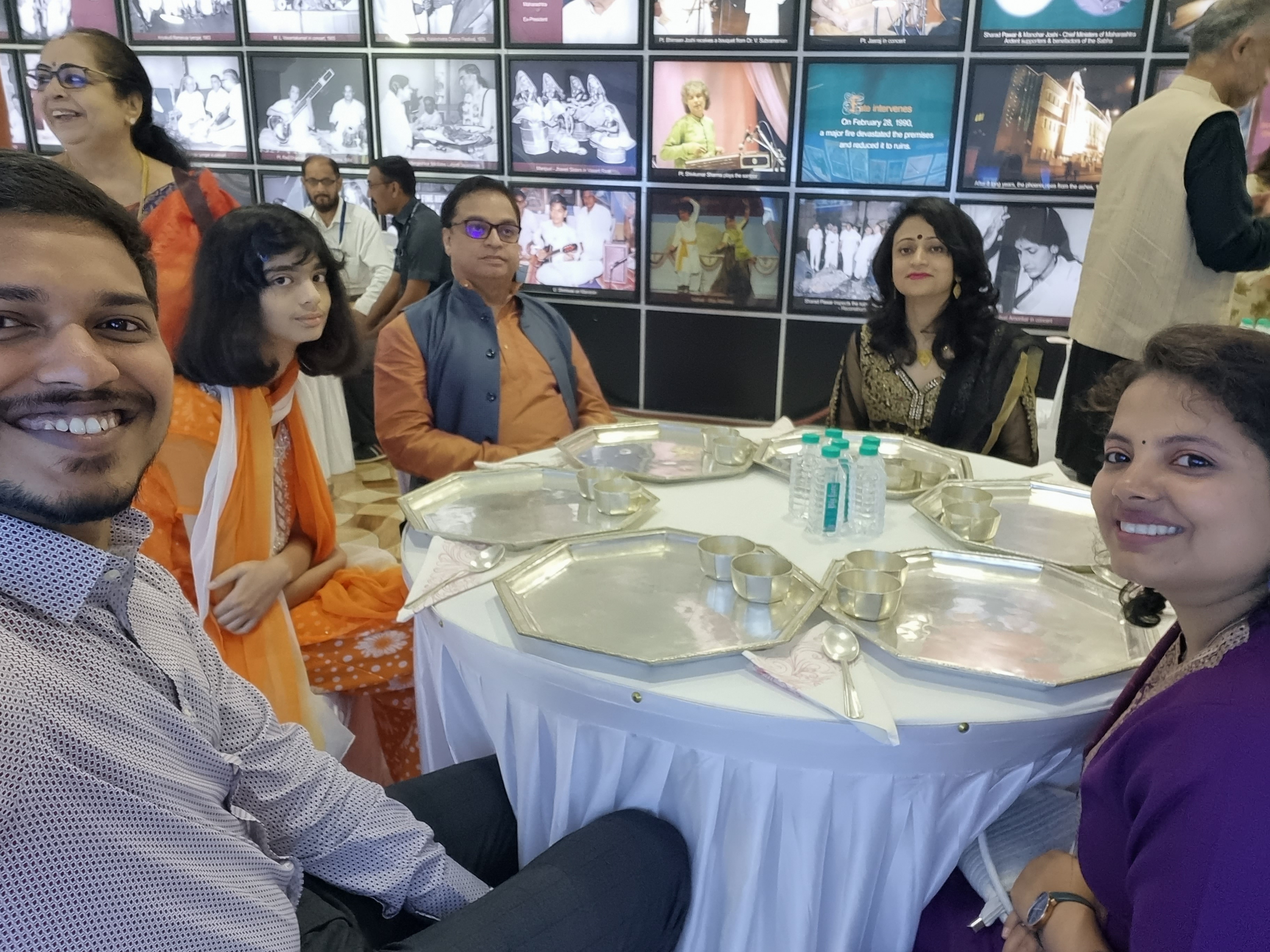
Raman Research Institute, Bangalore
 (12 of 54).jpg)
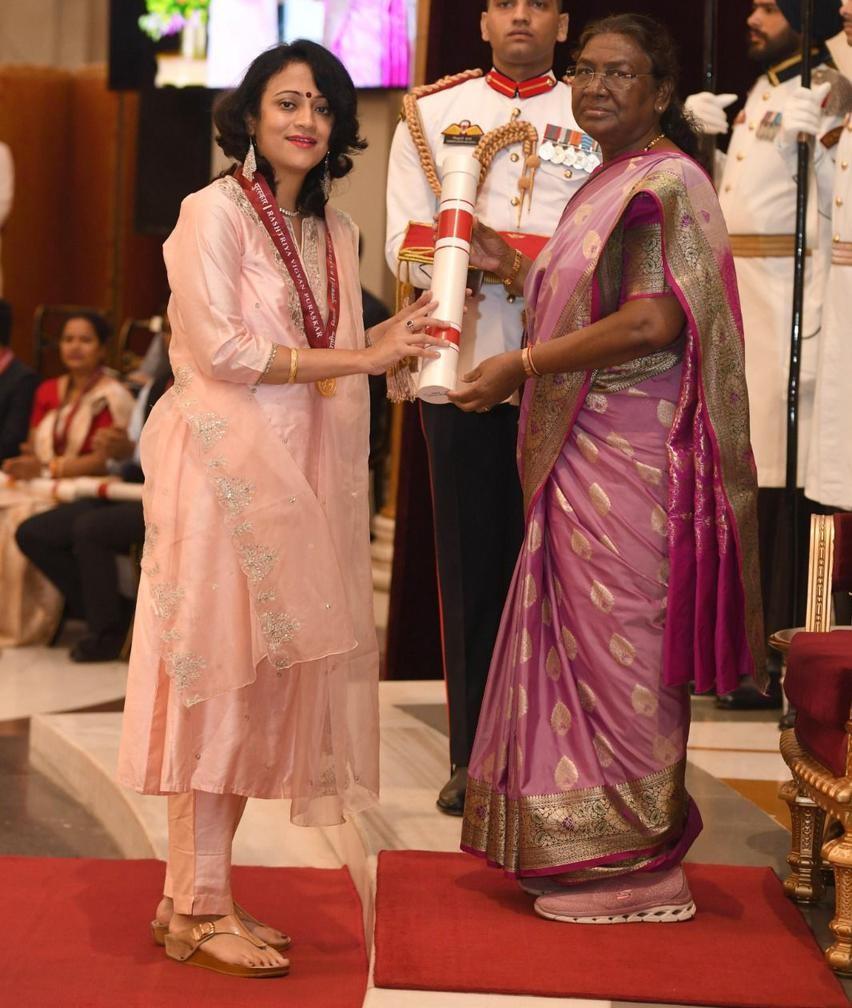
Recognition for research impact
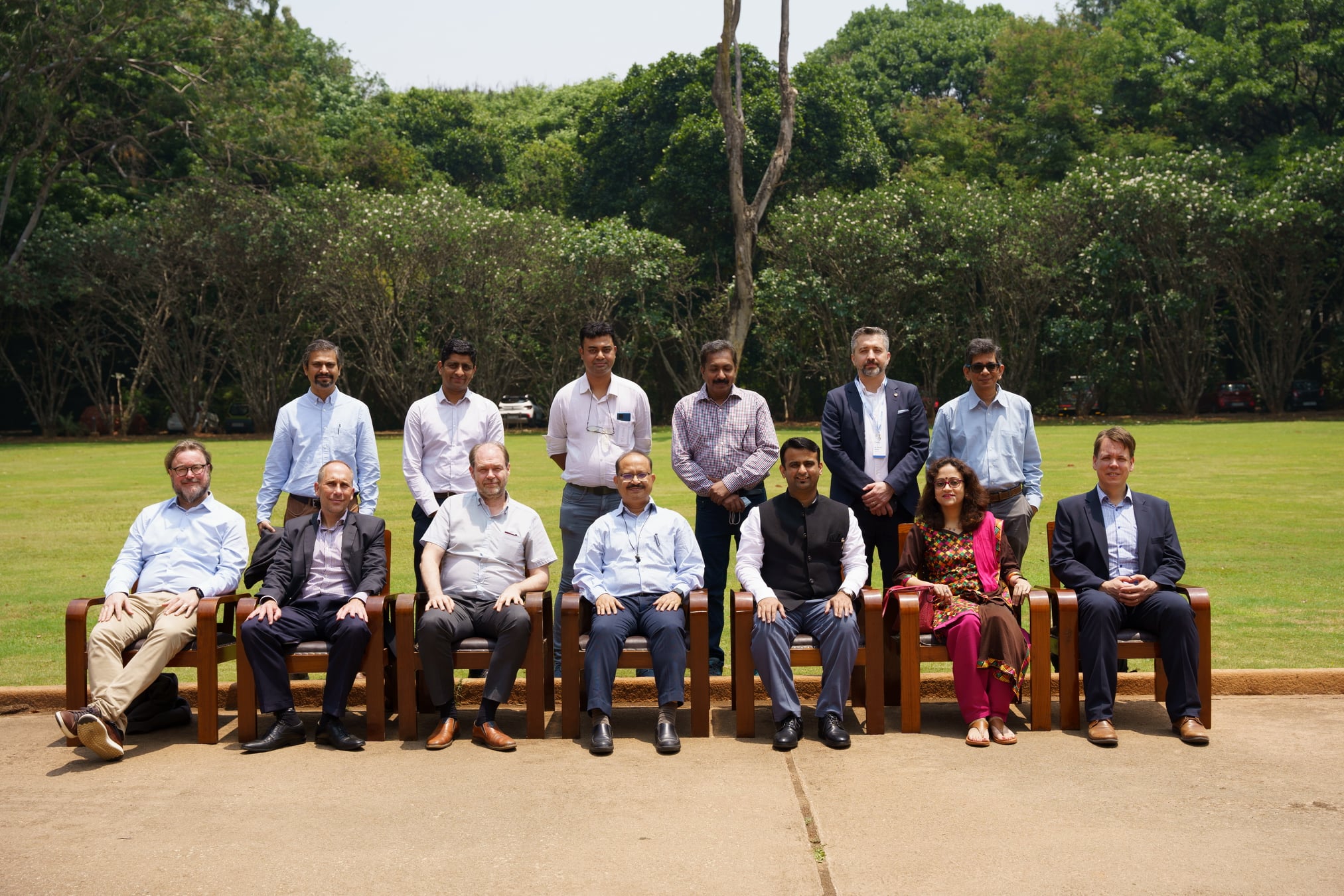
Raman Research Institute, Bangalore
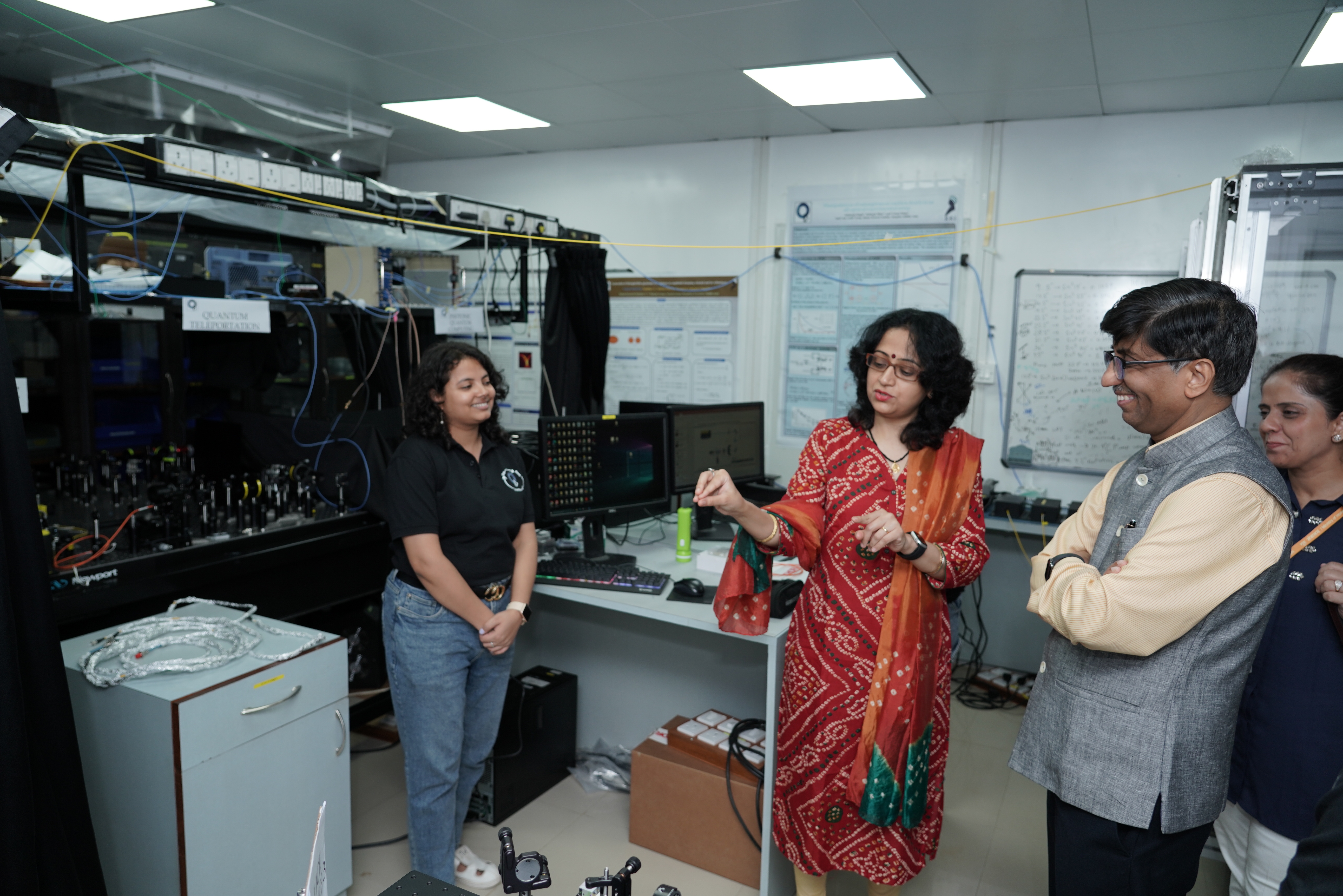
Raman Research Institute, Bangalore
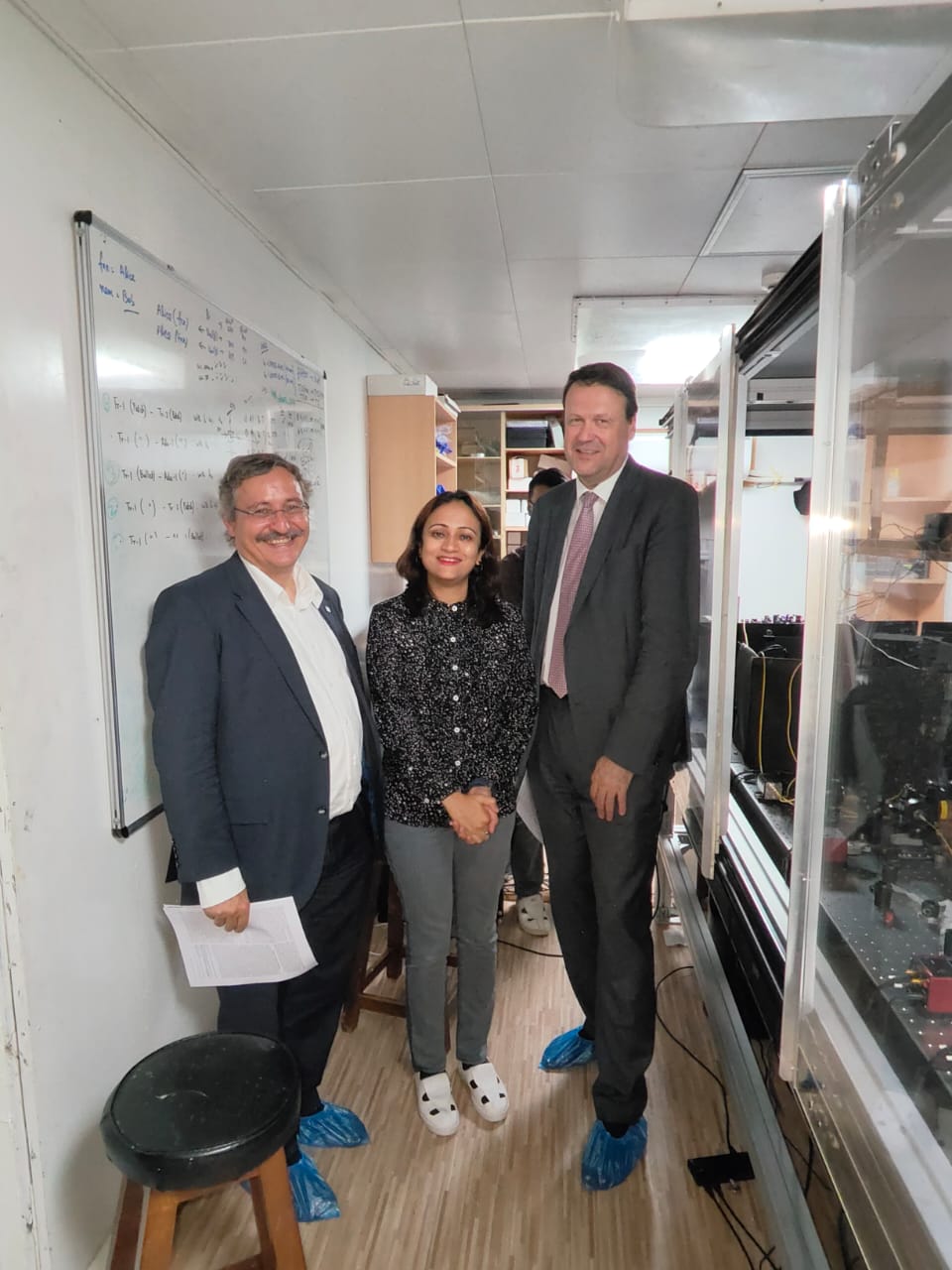
Raman Research Institute, Bangalore
Quantum optics setup at RRI
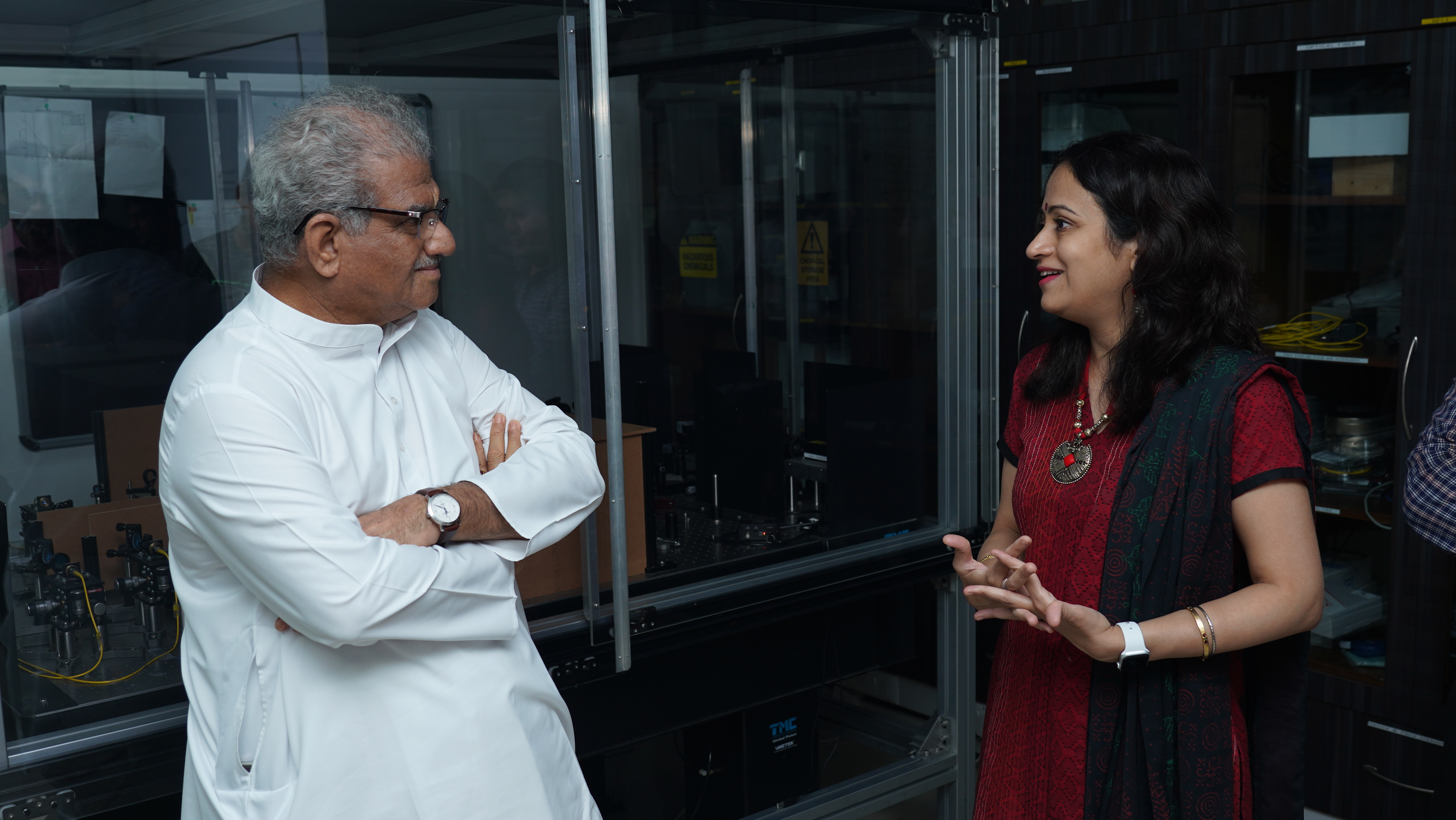
Quantum optics setup at RRI
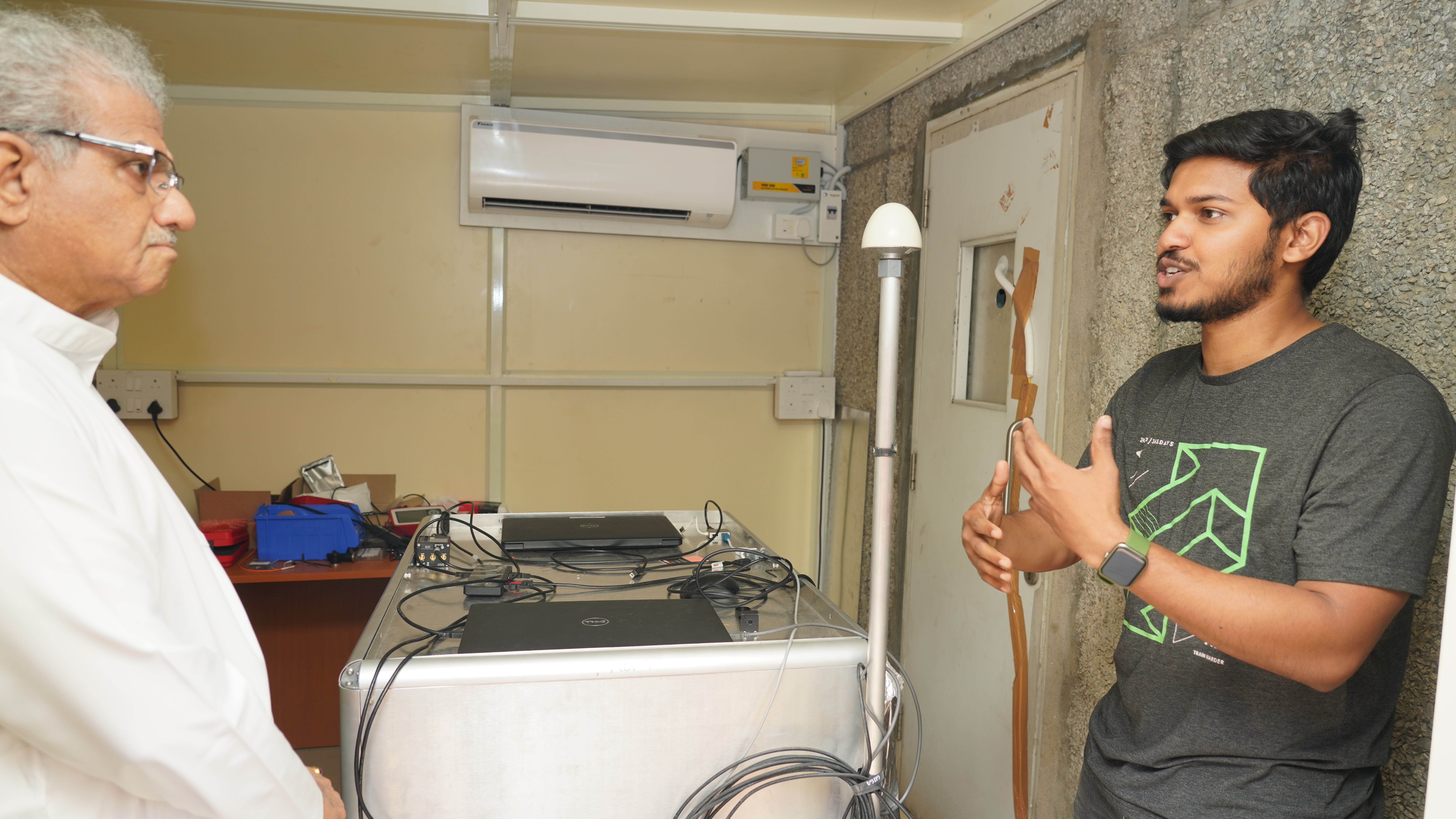
Quantum optics setup at RRI
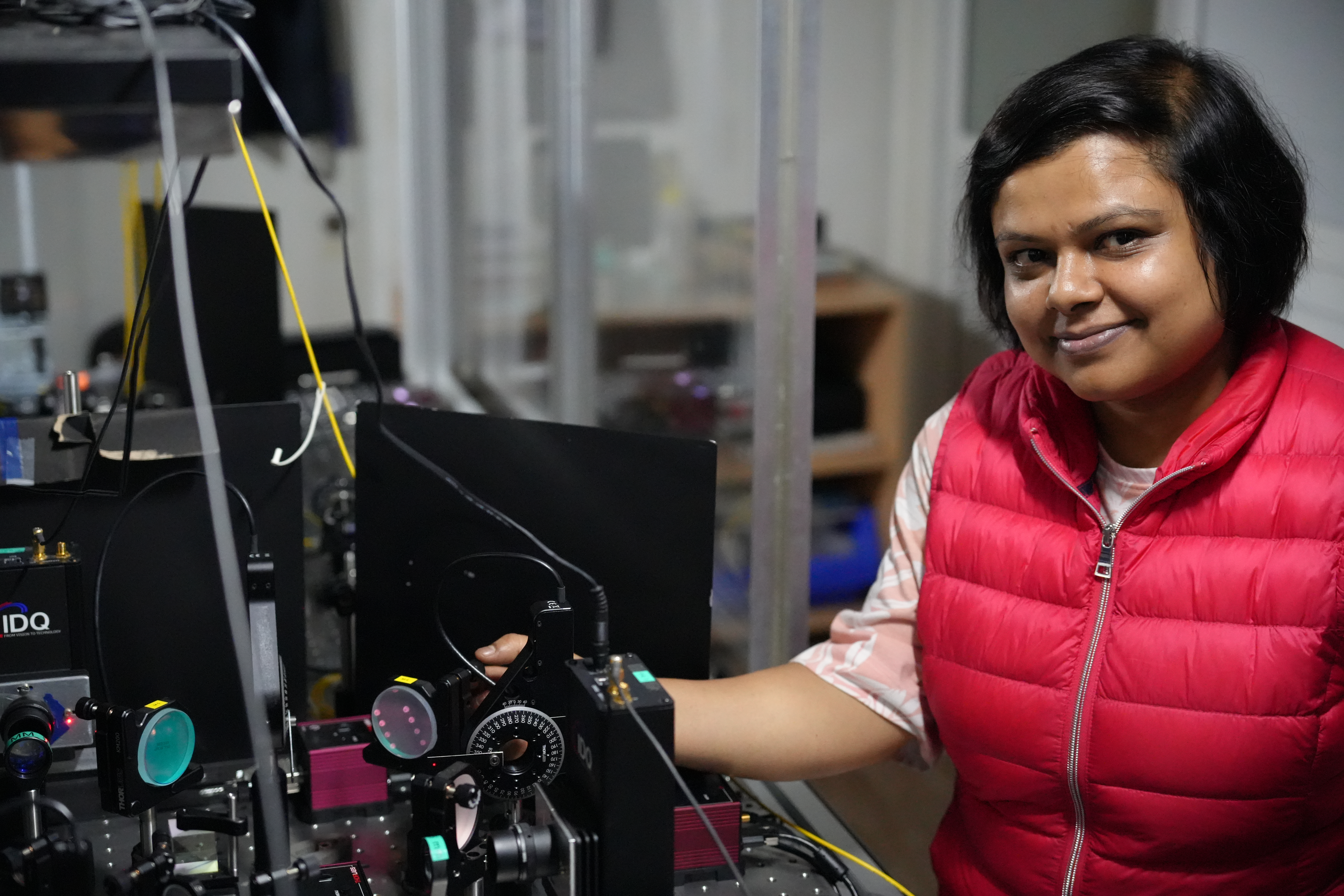
Raman Research Institute, Bangalore
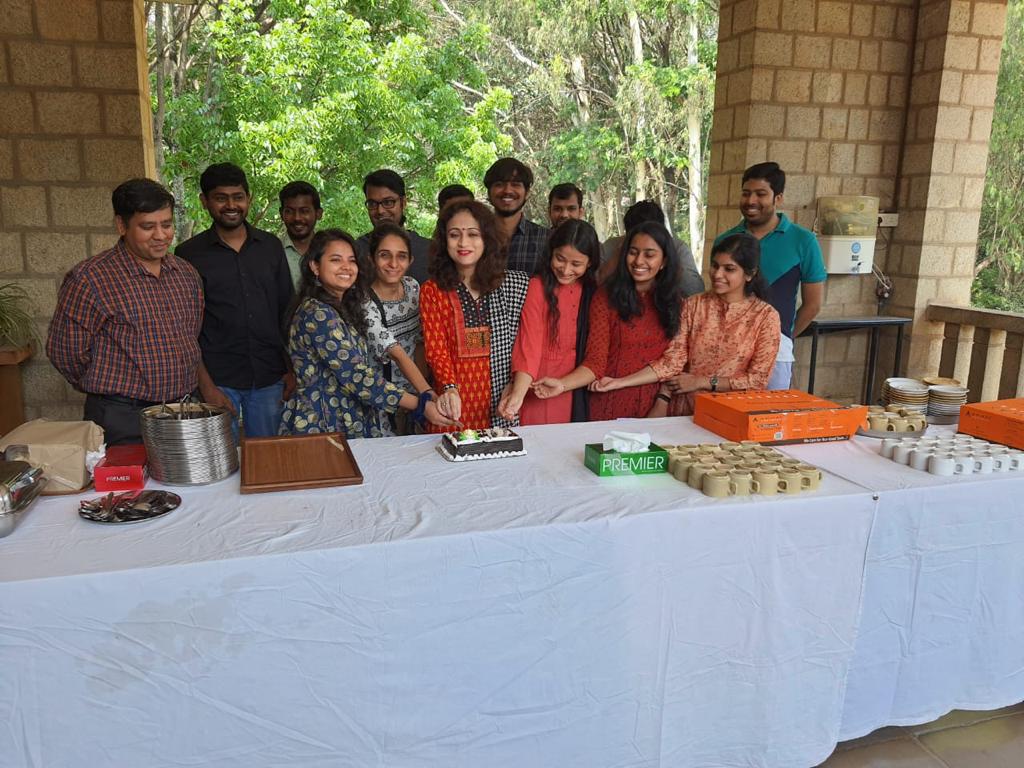
Raman Research Institute, Bangalore
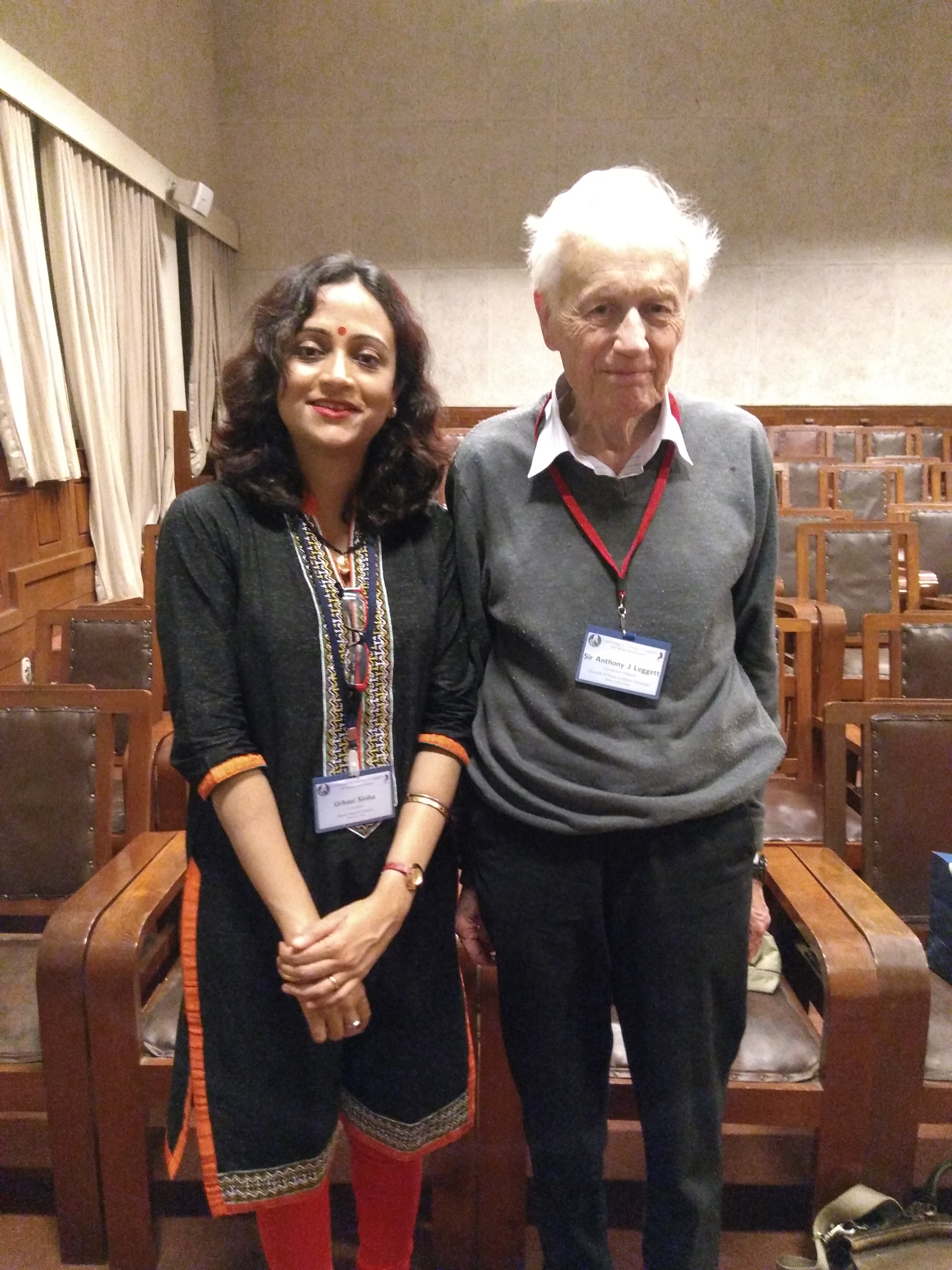
Raman Research Institute, Bangalore
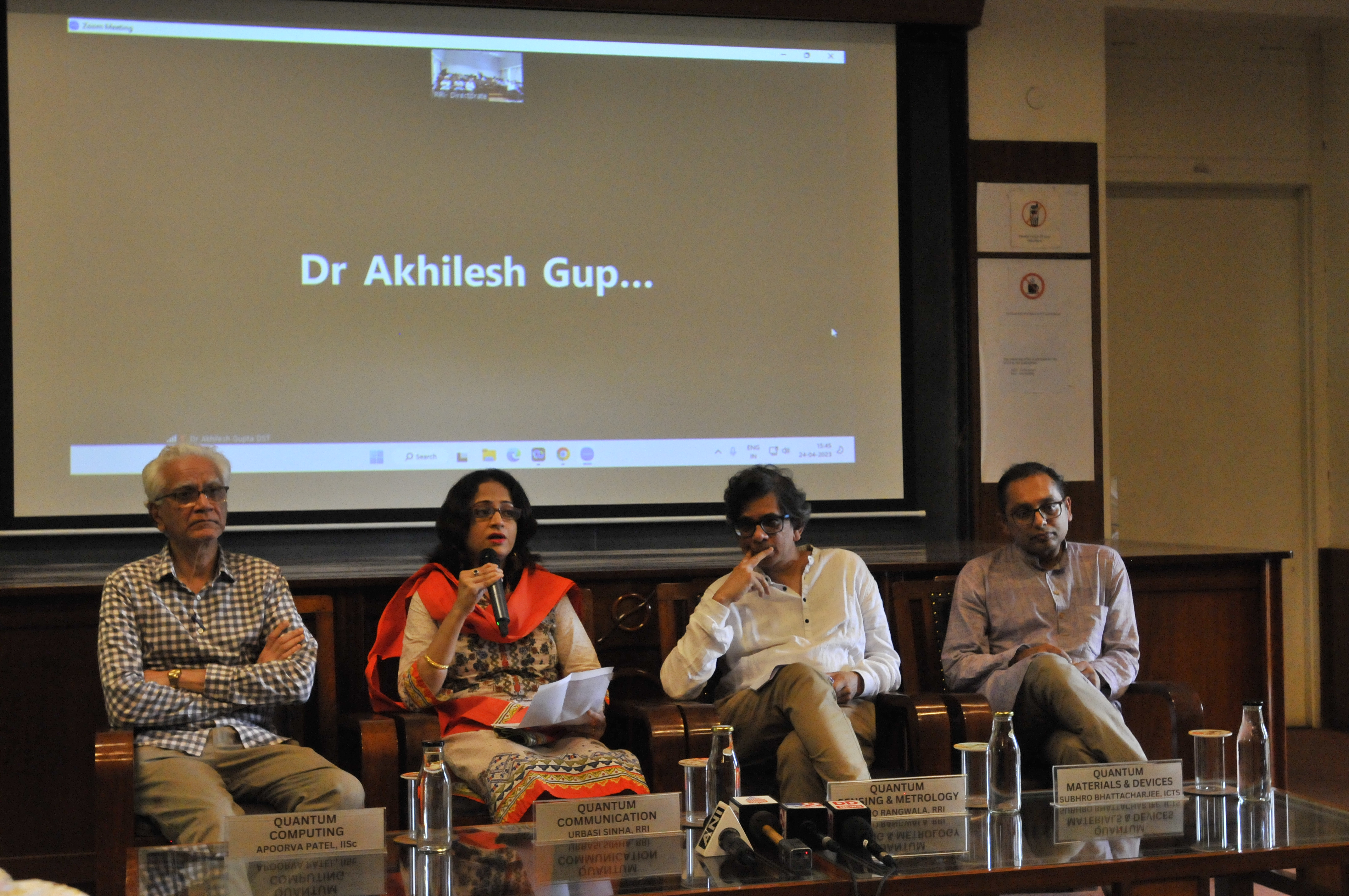
Raman Research Institute, Bangalore

QuIC Lab recognition
Recent achievements, announcements, and media coverage.
Our Group Leader has been appointed as a member of the Karnataka Government's Quantum Technology Task Force, helping shape state-level quantum policy and investment.
Read moreIn recognition of the International Year of Quantum Science and Technology, QuIC Lab was highlighted as one of the leading quantum research groups globally in the IYQ Quantum 100 Hub.
Read moreProf. Urbasi Sinha was honored with the prestigious Gates Cambridge Impact Prize 2025 for her exceptional contributions to quantum science and technology.
Read moreProf. Urbasi Sinha has been awarded the Vigyan Yuva-Shanti Swarup Bhatnagar Prize in Physics by CSIR — one of India's most prestigious awards for scientists under 45.
Read moreInvited talks and seminars hosted by QuIC Lab.


We have openings for PhD students, postdoctoral fellows, and visiting researchers. Come do world-class science with us.
For collaborations, inquiries, or to learn about open positions.